Clearer body map
Learn where the pelvic floor sits, what “engage” and “release” can feel like, and how breath partners with effort.
Pelvic floor · Postpartum · Body education
muscle.ai is a gentle education hub for pelvic floor awareness, postpartum recovery basics, and intimacy confidence. Think checklist companion — not a clinic, not a gym, not a sales pitch.
Free to browse. Ask questions anytime. Cancel nothing — there’s nothing to cancel.

Why people come here
Education first. No treatment promises — just clearer language, kinder pacing, and practical frameworks you can discuss with your clinician.
Learn where the pelvic floor sits, what “engage” and “release” can feel like, and how breath partners with effort.
Gentle start guides for after childbirth — emphasizing rest, gradual return, and when to pause and ask for help.
Plain-language notes on comfort, communication, and how pelvic awareness can support connection — without explicit content.
How to compare kegel trainers and pelvic devices as a shopper: signals, materials, privacy, and red flags — not product sales.
For sedentary days: posture, micro-breaks, and pelvic-friendly movement that fits between meetings.
Know when to stop, when tightness is not “more strength,” and how to bring questions to a pelvic health professional.
Designed to fit your life
Four steps that stay educational. Adapt them with your clinician — especially after birth, surgery, or pelvic pain.

Pick one focus: awareness, breath, release, or comfort talking with a partner. Write it somewhere you’ll see.
Read a short primer, locate the muscles with breath, and notice both contract and fully relax — over-gripping is common.
Short sessions beat heroic ones. Stop if you feel pain, heaviness, leaking that worries you, or sharp discomfort.
Track what felt easier. Bring notes to a pelvic floor PT or trusted clinician when something doesn’t settle.
We’re building plain-language guides for pelvic floor exercises for women, postpartum intimacy questions, and how to evaluate the best pelvic floor trainer for women — so you can shop and practice with eyes open.
Browse the library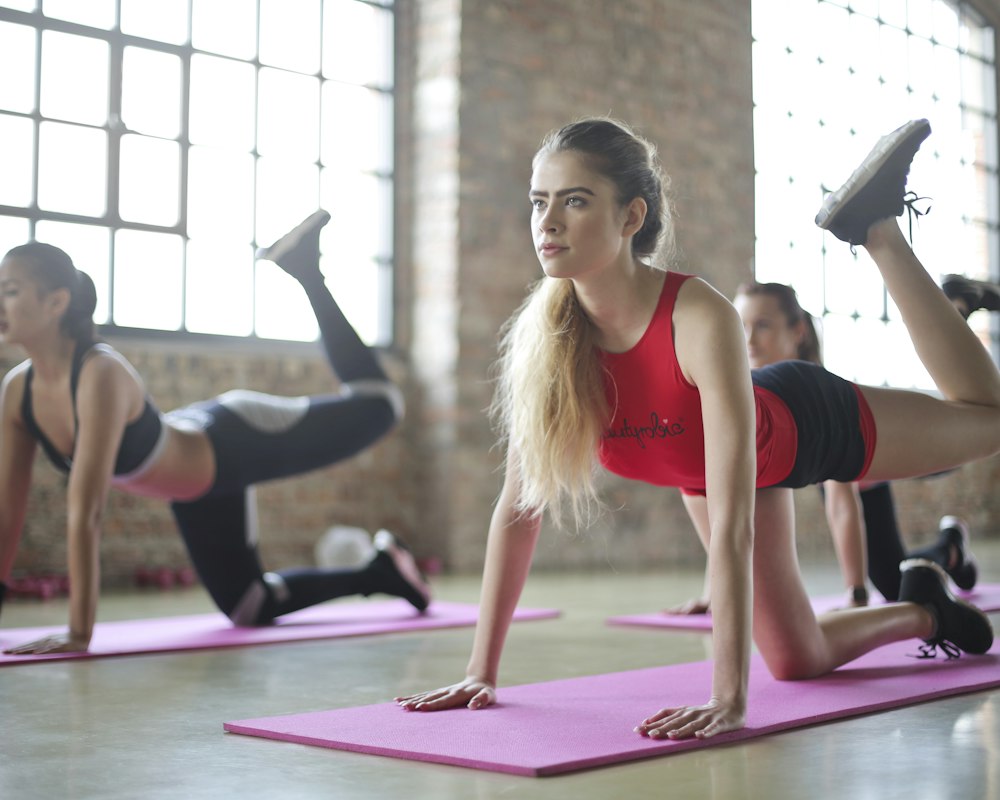
For postpartum & desk-bound adults
Whether you’re weeks after birth or years into a sitting-heavy job, pelvic floor literacy helps you notice patterns earlier. We don’t diagnose, treat, or sell devices here — we help you ask better questions.
Library
Practical guides you can bookmark and revisit. Adapted for clarity; always cross-check with a licensed professional for your situation.

How to evaluate options — materials, feedback, privacy, and red flags — without a product pitch.
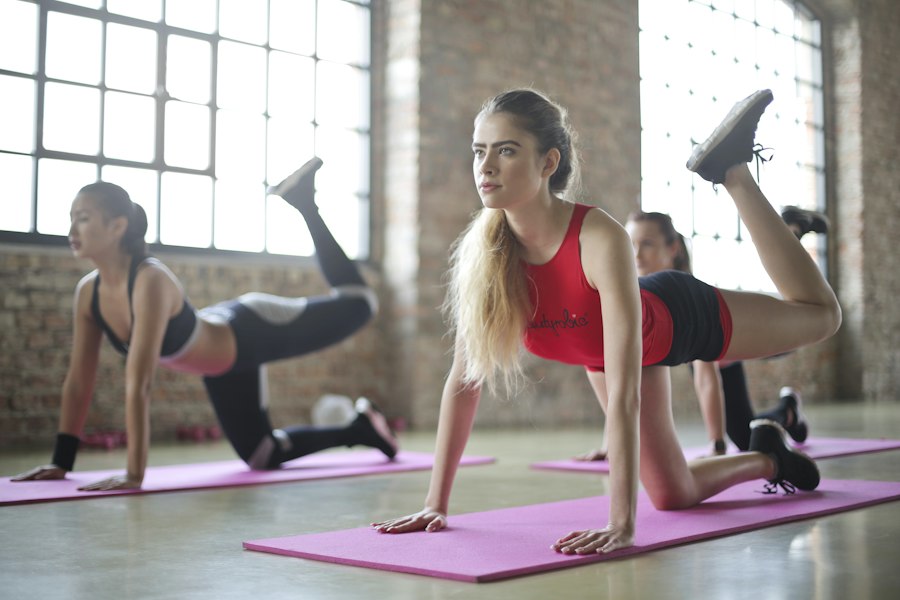
A calm framework for early awareness, rest, and when to wait for clinical clearance.

Comfort, communication, and body awareness — tasteful notes for adults rebuilding confidence.

Warning signs, over-training myths, and how to prepare for a pelvic health appointment.
Stay in touch
Write us or join the Telegram room. We read every note. No spam, no hard sell — just education for adults who want steadier pelvic awareness.